
Why Tile Floors Crack, and How DITRA Fixes It
Tile does not crack on its own. The slab or subfloor underneath moves, and the tile, bonded rigidly to it, has nowhere to go. DITRA decouples the two.
If you have lived in a Florida home long enough, you have probably seen one. A hairline crack running through one or two tiles, usually in a high traffic area, often along a doorway or a long span. The crack is annoying, hard to repair without lifting tile, and it almost always comes back even after a spot fix.
Here is the part most homeowners are not told: that crack is not a tile failure. It is a substrate failure, telegraphing up through the tile because the tile was bonded too rigidly to whatever moved underneath it.
What is actually moving under the tile
- Concrete slabs cure for years. As they release moisture, they shrink. Cracks form in the slab even when nothing else is wrong, this is normal, predictable, and not a structural defect. But if the tile is bonded rigidly to the slab, those cracks transmit straight up.
- Wood subfloors flex. Joists deflect under load. In Florida, plywood swells and shrinks with our 40 to 90 percent humidity range. A subfloor that is dead flat in winter can develop measurable cupping by August.
- Temperature swings. A tile floor in direct afternoon sun through a sliding glass door can hit 110°F and then drop 25 degrees overnight. Materials expand and contract at different rates, the rigidly bonded tile is the loser.
- Settlement. Even well built Florida homes shift slightly during their first decade. Slab edges, additions, garage conversions, anywhere two pours meet, there is a stress concentration.
The old fix, control joints and just hope
Until the 1990s, the best a tile installer could do was cut soft control joints every 12 to 16 feet in large floors, leave a quarter inch perimeter expansion gap, and use a slightly more flexible thinset. These mitigations help, they are still TCNA best practice and we still use them, but they do not address the core mechanical problem, that the tile is bonded rigidly to a substrate that wants to move.
How DITRA works
DITRA is a polyethylene membrane with a distinctive waffle profile. It is roughly 1/8 inch thick. Here is the trick: the dovetail shaped recesses on the top face lock the thinset and tile mechanically, while the underside bonds to the substrate. The membrane itself can deform laterally without the tile feeling it. Schluter calls this uncoupling. The tile is bonded to the membrane, the membrane is bonded to the substrate, but the tile and substrate are no longer rigidly connected to one another.
When the slab cracks beneath, the DITRA layer absorbs the lateral movement. The tile does not see it. Same for subfloor flex, thermal expansion, and minor settlement. There is also a secondary vapor management benefit. The air channels under the waffles let moisture vapor escape laterally, which matters on concrete slabs that have not fully cured or in below grade installations.
When DITRA matters most in Florida
- Anywhere a wood subfloor is involved. Second floors, additions, manufactured homes, garage conversions. The deflection numbers are higher than on a slab and DITRA is functionally mandatory if you want the tile to last.
- Large format tile. Anything 18 inches or larger has less ability to bridge minor substrate irregularities, so it shows movement more readily. We use DITRA XL (the thicker variant) under large format porcelain.
- Tile over an existing slab with known cracks. DITRA isolates the existing crack from the new tile.
- Any room with significant temperature swings. Florida rooms, sunrooms, garages, pool decks, lanai conversions.
What it adds to the price
DITRA materials run roughly $1.50 to $2.25 per square foot. Installation adds about 25 to 35 percent labor versus tiling directly to the substrate. On a 400 square foot main living area, that is approximately $700 to $1,000 added to the project. Versus a crack prone install that needs spot repairs in years three, five, and seven, the math is uncontroversial.
Every tile floor we install in living areas, kitchens, and bathrooms is laid over DITRA. It is not an upgrade on our estimates, it is the base spec.
Get a written estimateMore from the journal
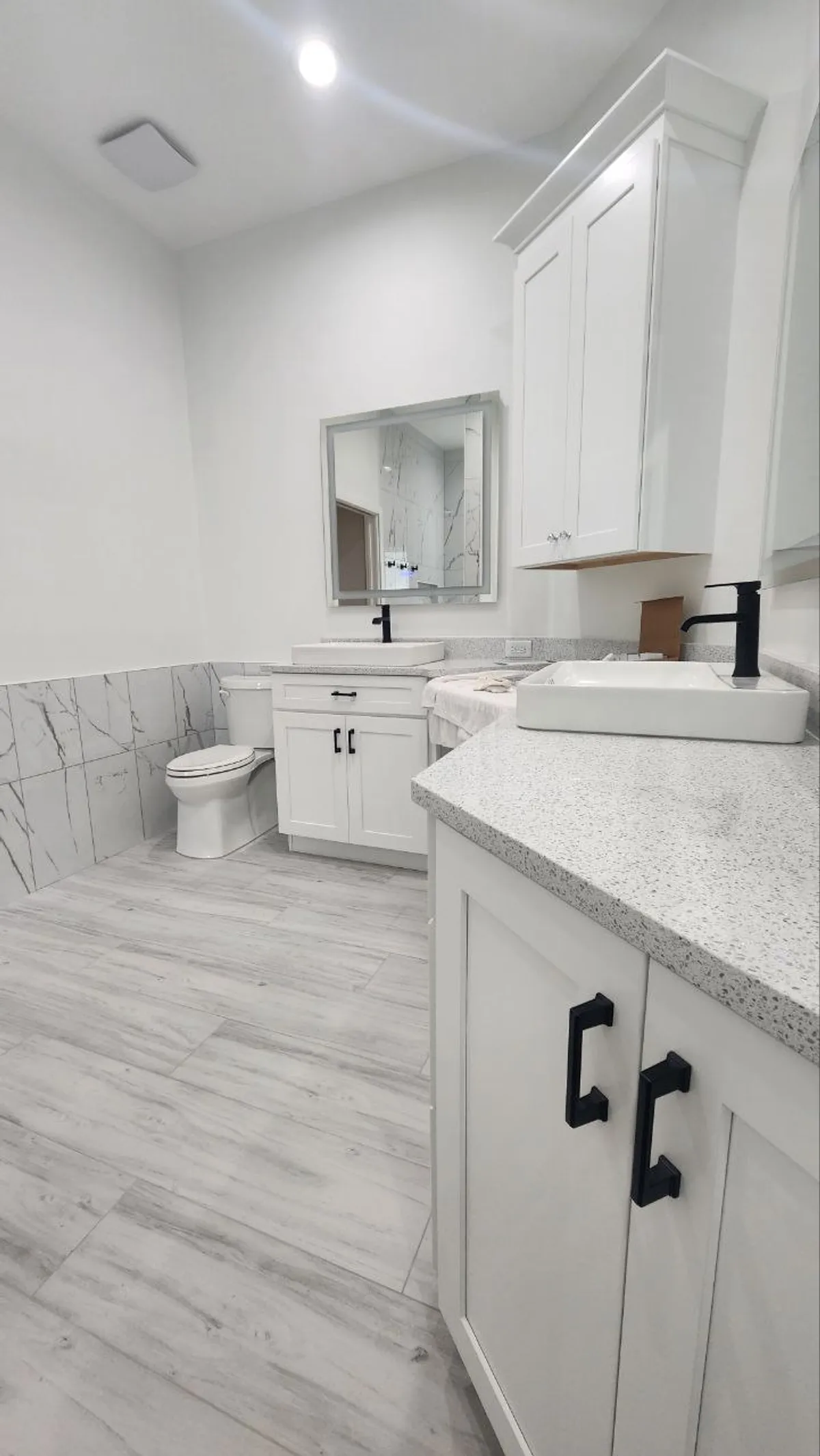
The Schluter Shower System, Explained for Florida Homeowners
Most tile failures in Florida bathrooms are not tile failures. They are waterproofing failures hidden behind tile. The Schluter system removes the gamble.
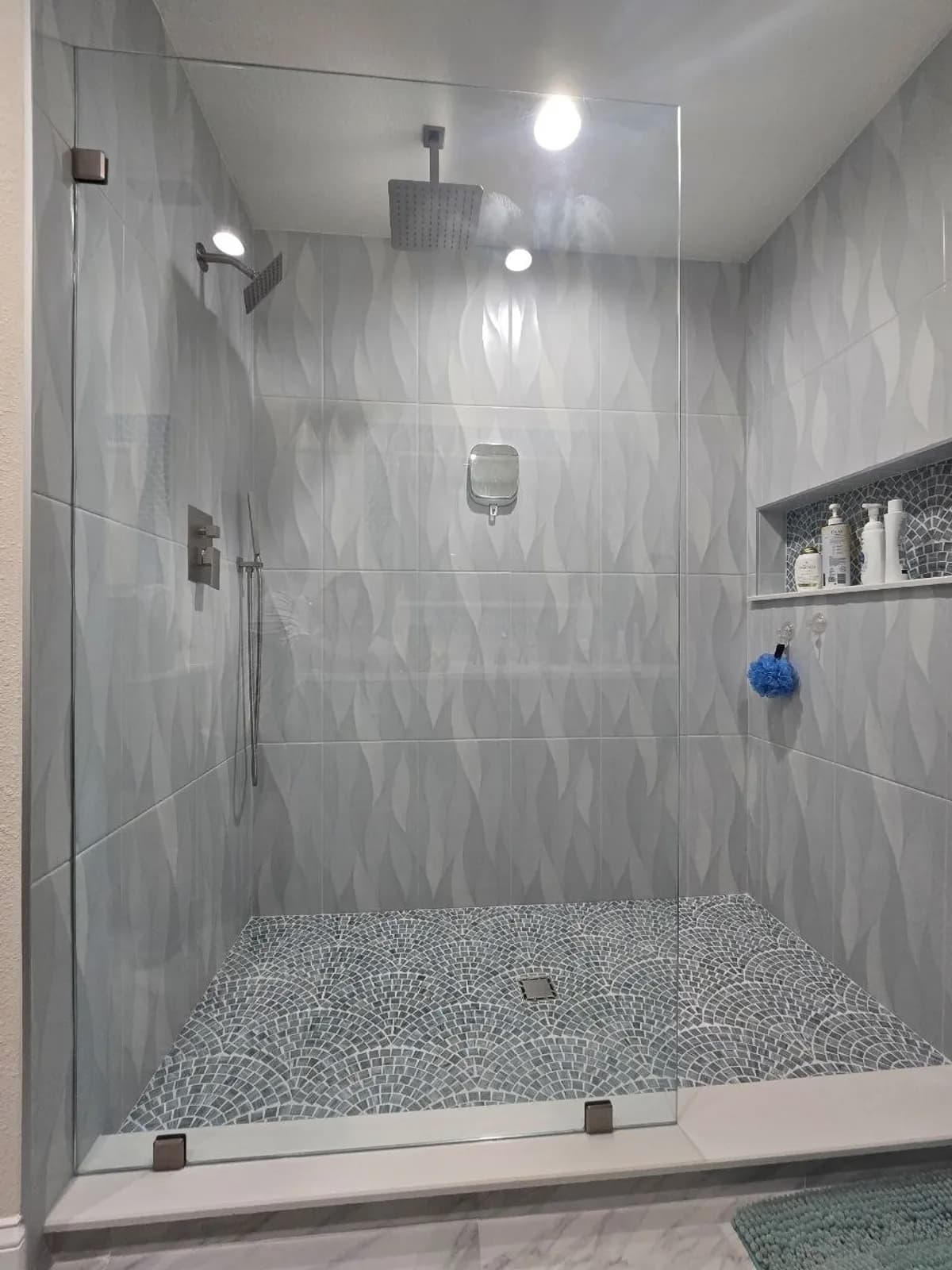
Large Format Tile in Tampa Bay: The 24x48, 30x60, and Slab Era
The fewer grout joints, the more the architecture reads. Large format porcelain has shifted from a niche choice to the dominant look in new luxury builds and high end remodels.
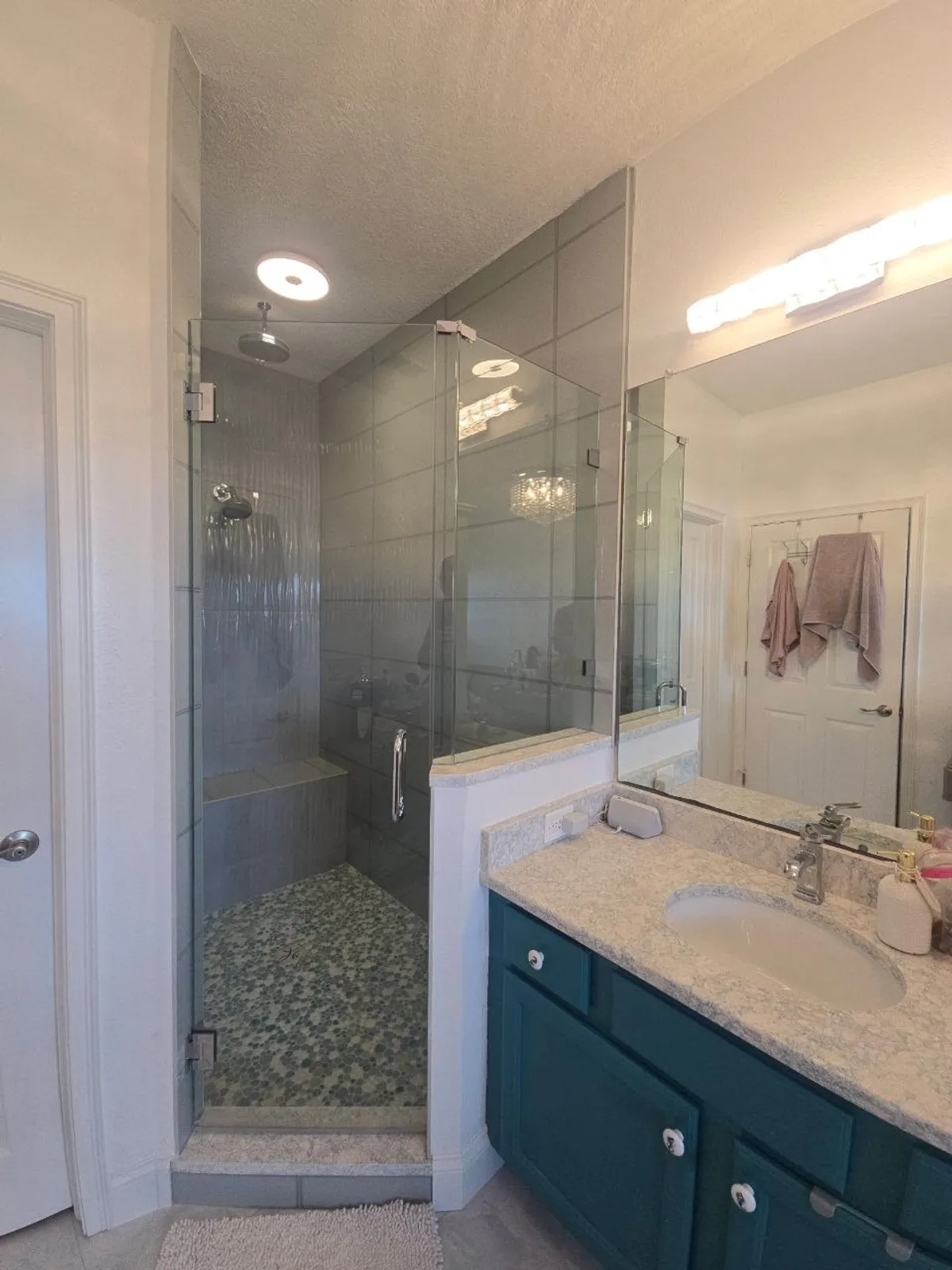
Tile Trends for 2026: What Tampa Bay Homeowners Are Choosing
A look at the eight tile and design choices showing up most in our 2026 estimates, why they work in Florida light, and where each one lands on the budget.
Every project starts with a written, itemized estimate.
Florida State Certified Building Contractor since 2007. Schluter certified installers. Serving Pasco, Hernando, Pinellas, Hillsborough, and Citrus.